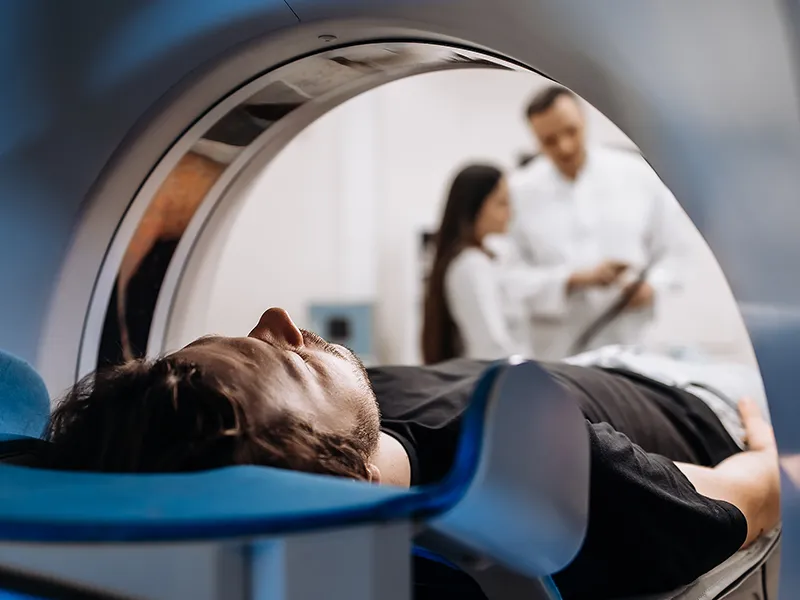
More than 5 million Americans—one in every 60 people—are living with a permanent traumatic brain injury (TBI). While no two brain injuries are the same, many people with a TBI can live successfully in our local communities with the right care and support system.
What is a traumatic brain injury (TBI)?
A TBI is a brain injury caused by an outside force. A blow or jolt to the head or body can cause a TBI. An object entering the brain can also cause this type of injury.
Common causes of TBI include falls, motor vehicle crashes, and violence. A sports injury can also cause a TBI. Mild TBI may cause only temporary symptoms, but a more severe injury can lead to permanent disability. Prevention is the only way to avoid a TBI since there is no cure. In the unhoused population, TBI is 14 times higher than the general population and is underrecognized as a contributing factor to this population’s overall health and wellness.

What TBI services are available through Vaya Health?
Vaya offers services to help people with a TBI be healthy and live as independently as possible. Depending on your health plan and individual needs, you may be eligible for the services below.
If you are interested in receiving services for a TBI, contact Vaya’s Member and Recipient Service Line at 1-800-962-9003 and request placement on the TBI Interest Registry.
Tailored Care Management:
Tailored Care Management through Vaya is available to Medicaid members who have experienced a traumatic brain injury. Your Tailored Care Manager helps you navigate the health care system and the services you need, including:
- Durable medical equipment needs
- Personal care services to assist with activities of daily living, if appropriate
- Private duty nursing, if appropriate
- Physical therapy, occupational therapy, and/or speech therapy
- Coordinated care across your medical team
- Additional services, like state-funded and 1915(i) services as described below
State-Funded Services:
- Residential Supports
- Day Supports
- Community Living and Support
- Supported Living Periodic
- Supported Employment
- Respite
- TBI Long-term Residential Rehabilitation Services
Note that State-funded services are not an entitlement and depend on available funding.
Medicaid 1915(i) Services:
- Community Living and Support
- Supported Employment
- Respite
- Community Transition
Medicaid Waiver Services:
People who get a TBI before 22 years old may qualify for the NC Innovations Waiver. The Innovations Waiver offers limited slots that allow people with an intellectual/developmental disability to get services and supports in the community. If you think you or a loved one may qualify for the Innovations Waiver, call Vaya’s Member and Recipient Service Line at 1-800-962-9003. You can ask to be added to the Innovations Waitlist.
People with significant physical health needs, including those with TBI, may qualify for Community Alternatives Program for Children (CAP/C) or Community Alternatives Program for Disabled Adults (CAP/DA) waiver programs through the NC Medicaid . Learn more about these programs and how to apply by visiting the Long Term Services and Supports page on the NC Medicaid website.
North Carolina’s TBI Waiver provides services in the community to help with recovery. TBI Waiver services promote choice, independence, and community involvement. Please note the TBI Waiver is not yet available in the Vaya region.

Additional Services:
If you have other health needs in addition to a TBI, such as a mental health or substance use disorder, you may be eligible for services to treat those conditions. Also, Vaya Tailored Plan (Vaya Total Care) Medicaid members may be eligible for services for related physical health needs.
Call the Member and Recipient Service Line at 1-800-962-9003 for more information.
Traumatic brain injury (TBI) symptoms
Physical symptoms of TBI
- Headache
- Convulsions or seizures
- Vision problems
- Nausea and vomiting
- Neurological problems, like slurred speech or loss of balance
- Difficulty sleeping
- Increased sensitivity to light or sound
- Ringing in ears
- Lightheadedness or dizziness
Cognitive symptoms of TBI
- Loss of or change in consciousness
- Confusion or disorientation
- Problems remembering, concentrating, or making decisions
Behavioral symptoms of TBI
- Frustration
- Irritability
- Depression
- Anxiety
- Personality changes
- Difficulty regulating emotions
Traumatic brain injury (TBI) treatments
Treatments for a TBI include:
- Physical and occupational therapy
- Speech therapy
- Counseling and psychotherapy
- Medications
An early treatment plan can:
- Reduce the risk of long-term complications
- Speed up recovery and healing
- Help prevent chronic symptoms like memory loss, depression, or headaches
- Increase the likelihood of returning to work, school, and normal activities
Prevention of Traumatic Brain Injury
There is no cure for TBI, which makes prevention especially important. The most common reasons for TBI are falls, motor vehicle accidents, interpersonal violence, and other mechanical forces, including sports-related injuries and explosive blasts. Men are at higher risk of TBI compared to women. People affected by intimate partner violence are also at increased risk.
Ways to prevent severe injury from falls in children:
In young children, falls at home, on playgrounds, and playing sports are the most common settings for falls leading to TBI.
- Supervise children when they are playing, especially on playground equipment and the stairs.
- Make your home safe by putting gates on the stairs, guards on windows above ground level, and screens or gates around fireplaces and other dangerous areas.
- Ensure the playground area is safe by checking the equipment for possible mechanical issues and making sure the landing surface is soft.
- Ensure children are playing sports safely by wearing protective gear, including a helmet while biking, scootering, and skateboarding.
- Understand the risk of different sports; TBI is most common in contact sports like soccer and football and in stunt sports like cheerleading and gymnastics.
Ways to prevent severe injury from falls in older adults:
Falls are the leading cause of injury deaths, hospitalizations, and emergency department visits in adults 65 and older. Falls can cause lasting, profound consequences that affect mobility, independence, and mental health, including TBI. Most of these falls take place at home.
- Remove items they can trip over, including throw rugs, books, clothes, cords, and shoes from places where you walk.
- Be aware of pets and pet-related toys.
- Install grab bars next to the toilet, tub, and shower.
- Use nonslip mats in the bathtub and on shower floors.
- Improve lighting to brighter lighting and hang lightweight curtains to reduce glare.
- Ask the healthcare team to review medications and ensure the regimen is designed to minimize lightheadedness or dizziness.
- Begin an exercise routine. Maintaining strength and mobility are key to aging well and preventing falls.
Motor vehicle and traffic safety
- Using a safety belt is the best way to prevent TBI related to motor vehicles. Safety belts keep occupants from being tossed around and thrown out of the vehicle during a car accident.
- Do not drive after using substances, including alcohol, marijuana, opioids, and stimulants like cocaine and methamphetamine. People with substance use disorders are at elevated risk of TBI. Visit Vaya’s Substance Use Disorders page to learn more.
- Ensure infants and toddlers use car safety seats appropriate for their weight and height.
- Children should use booster seats until they are 4 feet 9 inches tall to minimize chances for injury.
Acquired Brain Injury vs. Traumatic Brain Injury
Acquired brain injuries (ABI) are brain injuries that are not hereditary, congenital, degenerative, or induced by birth trauma. This type of brain injury occurs after birth. ABI is divided into traumatic and non-traumatic brain injury.
Examples of non-traumatic ABIs include:
- Anoxic brain injury: lack of oxygen or blood flow to the brain during cardiac arrest, childbirth, overdose, or drowning
- Stroke
- Brain hemorrhage
- Brain tumor
- Long term consequences of brain infection like meningitis or encephalitis
What are some other resources available outside of Vaya?
The following are trusted organizations for TBI support and advocacy:
- NC Brain Injury Advisory Council (Vaya’s Area Director and CEO, Tracy Hayes, serves as Vice Chair)
- State Consumer and Family Advisory Committee (includes individuals who represent the TBI community)
- Brain Injury Association of America
- Brain Injury Association of North Carolina
- Centers for Disease Control and Prevention