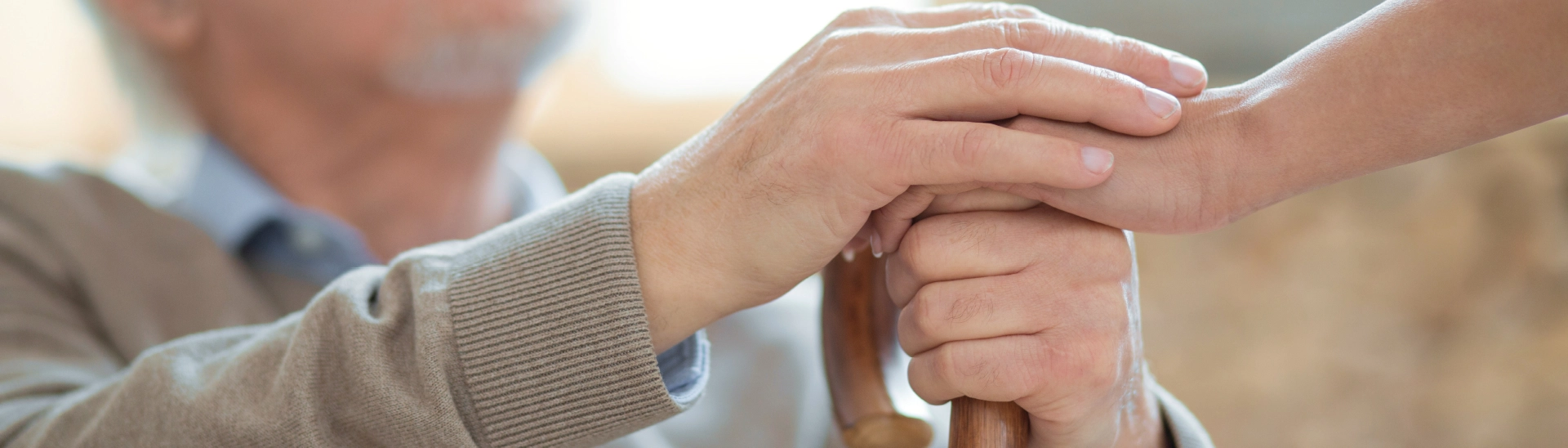
Vaya Health celebra el creciente reconocimiento de que la atención a la salud mental forma parte de la atención sanitaria.
Al igual que el bienestar físico, el bienestar mental forma parte de la vida diaria de todas las personas. Cuando surgen problemas de salud mental, existen apoyos y tratamientos eficaces disponibles. Esto también es cierto para las personas con enfermedades mentales graves.
Pooja Mehta, MPH, es la Líder de Salud Mental para la Comunidad Asiático-Americana y de las Islas del Pacífico de la División de Salud Mental, Discapacidades del Desarrollo y Servicios de Uso de Sustancias de Carolina del Norte.
“Para mí, la concienciación sobre la salud mental es importante porque creo que la salud mental es realmente lo que nos hace humanos: nuestra capacidad de apoyarnos mutuamente, nuestra capacidad de cuidarnos mutuamente, nuestra capacidad de estar ahí el uno para el otro”, dice Mehta. “Todo eso es fundamental para la salud mental, y todo eso es fundamental para lo que se construye una sociedad sana: tener conexiones genuinas entre nosotros y estar en comunidad los unos con los otros”.”
El Dr. Richard Zenn, director médico de Vaya Health, destaca que los trastornos de salud mental son tratables. “Las personas con trastornos de salud mental constituyen uno de los principales grupos a los que atiende Vaya”, afirma. “Somos una organización orientada a la recuperación, por lo que queremos fomentar la recuperación y el empoderamiento de las personas con problemas de salud mental para que puedan ayudarse a sí mismas y a sus familias. Las personas pueden llevar una vida plena y productiva a pesar de tener problemas de salud mental. Es muy importante que la gente lo entienda”.”
Kelly Crosbie, MSW, LCSW, es la Subsecretaria de Salud Mental, Discapacidades del Desarrollo y Servicios de Uso de Sustancias de Carolina del Norte.
“Hay mucha desinformación sobre la salud mental”, dice. “Es preocupante. La gente necesita tomarse el tiempo para informarse mejor. La cultura popular y los programas de televisión a menudo hacen representaciones grandiosas y poco realistas sobre la salud mental que sensacionalizan los problemas de salud mental y nos asustan. Pero hay información simple y comprensible disponible para todos nosotros. Animo a la gente a aprender un poco sobre los problemas de salud mental más comunes y cómo se ven y se sienten realmente. Busquen información básica. Vean un video de NAMI, la Alianza Nacional sobre Enfermedades Mentales. Aprendan sobre los signos de depresión. Aprendan sobre los signos de ansiedad. Miren los tratamientos básicos".
“Los problemas de salud mental son muy tratables. Incluso los graves no dan tanto miedo como crees. No puedo animar lo suficiente a la gente a que se eduque un poco más sobre la salud mental.”
Reducir el estigma de la salud mental
Reducir el estigma es una parte importante de la concienciación sobre la salud mental, para que nadie dude en buscar apoyo cuando lo necesite.
“Los obstáculos comunes para buscar atención de salud mental son la vergüenza y el bochorno, la sensación de que puede ser una debilidad buscar ayuda”, dice Zenn. “En realidad es lo contrario. Es un signo de fortaleza y autocuidado, no de debilidad, ser capaz de reconocer cuándo estás luchando y buscar ayuda como resultado de ello”.”
Para ayudar a reducir el estigma y el miedo, Crosbie intenta enseñar a la gente que los problemas de salud mental más comunes los experimenta prácticamente todo el mundo.
“Cuando hablo con audiencias de secundaria, siempre pregunto: ¿Alguna vez tienen días o períodos en los que no quieren salir de la cama? —dice—. ¿Quizás solo se sienten ansiosos por ir a la escuela? ¿Están irritables o evitan a sus amigos? ¿Su pensamiento se siente nublado, o su memoria parece confusa?
“El noventa por ciento de ellos levantan la mano. Les digo: aunque no estoy diciendo que tengáis depresión, esos son síntomas de depresión. Y no pasa nada. Es normal. Todos nos hemos sentido así alguna vez. Y si lo que sentís es demasiado intenso, si lleva mucho tiempo así o si simplemente queréis hablar con alguien y tener una charla, podéis pedir ayuda o apoyo adicional. Llamad al 988 o llamad al Línea de apoio de pares de Carolina del Norte.”
Zenn está de acuerdo en que, en ocasiones, todos compartimos ciertos problemas de salud mental. Solo hay que ser conscientes de ellos y prestar atención a su gravedad.
“Sentir ansiedad y depresión son síntomas y sentimientos comunes que las personas tienen”, dice. “Son experiencias normales para todos nosotros. Sin embargo, si llegan al punto en que interfieren con nuestro funcionamiento, ya sea en nuestras relaciones, en nuestro trabajo, en nuestra autoestima, o simplemente en nuestra capacidad de manejarnos, es una señal de que es hora de buscar ayuda”.”
Zenn tiene la esperanza de que la sociedad esté evolucionando hacia una aceptación mucho mayor del apoyo y tratamiento para la salud mental. “Creo que buscar atención de salud mental es más socialmente aceptable para muchos hoy en día, particularmente para las generaciones más jóvenes y, en particular, para buscar ayuda cuando están estresados”, dice.
Crosbie está de acuerdo. “Tengo mucha esperanza en las nuevas generaciones, sí”, dice. “Los niños de hoy en día son más abiertos y tolerantes. Ahora hablan de sus sentimientos, y nuestra cultura es mucho mejor al respecto. Pero, desafortunadamente, prácticamente todos en mi generación y generaciones anteriores tienen este trauma histórico prolongado en torno a la salud mental”.”
Según ella, hay otro reto a la hora de trabajar para reducir el estigma.
“Es realmente muy difícil hablar de intentar normalizar la salud mental sin minimizar las afecciones de salud mental”, dice Crosbie. “Seré honesto, es muy difícil encontrar el equilibrio".
“Pero sigo aquí enfatizando la normalización de la atención de la salud mental, porque para demasiadas personas todavía es catastrófico y vergonzoso hablar de salud mental.”
Si la normalidad de necesitar ayuda no anima a algunas personas a pedirla, dice Crosbie, el anonimato es una forma en que las personas a veces pueden superar sus miedos en torno a la estigmatización.
“Les recuerdo que pueden hacerlo de forma anónima”, dice. “Les hablo de cosas como el 988, el...» Línea de apoio de pares de Carolina del Norte, o el Ayuda de NAMI. El anonimato de esa llamada —o de cuando chateas o envías mensajes de texto, especialmente para los jóvenes— ese anonimato parece ser muy útil para mucha gente. Así que, si no te sientes tú mismo(a) durante un par de semanas —si estás de mal humor, si estás irritable, si estás evitando las cosas— ese es un buen momento para hablar con alguien. Todo lo que tienes que hacer es llamar o enviar un mensaje de texto, y es completamente anónimo.”
Acceso a la atención de salud mental, incluidos el apoyo entre pares
Hoy en día hay muchos más recursos a los que recurrir para obtener apoyo en materia de salud mental que nunca, incluso más allá de las numerosas líneas de ayuda y de chat y de los sitios web. (Consulte la lista de recursos al final de este artículo).
“La mayoría de los médicos de atención primaria hoy en día son muy expertos en reconocer y enfatizar la importancia de la concienciación sobre la salud mental y los problemas de estilo de vida relacionados”, dice Zenn. Por lo tanto, hablar con su médico de atención primaria no solo sobre cómo se siente físicamente, sino también sobre cómo se encuentra emocionalmente, puede ser un gran punto de partida.
“Los buenos consejeros y terapeutas también adoptan un enfoque de atención primaria para los problemas de salud mental. No se trata de estar en consejería o terapia hasta que uno esté ‘curado’, sea lo que sea que eso signifique, sino de tener un lugar donde acudir para recibir orientación para mantenerse al tanto y consciente de los problemas de salud mental y trabajar en ellos a lo largo del tiempo.”
Los apoyos entre pares también han tenido un impacto positivo significativo en el espectro de apoyo y atención para la salud mental. Los especialistas certificados en apoyo entre pares son personas con experiencia vivida que están capacitadas para apoyar a otras personas y ayudarles a navegar el sistema de salud mental y acceder a recursos y servicios.
Felishia McPherson, LCMHC, es especialista certificada en apoyo entre pares y presidenta de la Consejo de Liderazgo de Pares para NAMI NC.
“Somos la prueba viviente de que —sin importar el diagnóstico de alguien, sin importar su situación, sin importar su revés— siguen siendo relevantes y completos”, dice McPherson. “Los compañeros son cruciales en lo que respecta a la defensa de la salud mental, la educación sobre salud mental y el bienestar mental. Somos la prueba viviente en la sala, y eso no tiene precio.”.
“Mucha gente dice que los crayones rotos todavía pintan, y esa es la persona líder. La perspectiva del compañero proviene de alguien que ha estado allí, ha pasado por eso y lo ha superado.y tiene un gran sistema integral con ellos para apoyar a las personas a alcanzar un estado de bienestar. ¿Qué mejor persona, qué mejor defensor, puede tener a su lado que alguien que sabe por lo que está pasando usted y su familia, especialmente cuando hay tanto desconocido para usted? ¿Especialmente para alguien que necesita servicios de salud mental por primera vez o cuando hay niños involucrados? Tengo un historial de estar en reintegración, porque estuve encarcelado anteriormente, y ahora soy un profesional con licencia completa y un líder entre pares.”
Zenn está de acuerdo con el valor del apoyo entre pares. “Las personas que tienen experiencia de vida a veces pueden ser el mejor punto de acceso para las personas que tienen dificultades y temen no ser comprendidas”, dice. “O tal vez han tenido experiencias en las que no se han sentido comprendidas al buscar ayuda. A menudo, las personas con experiencia de vida pueden ayudar a cerrar esa brecha”.”
Debido a que hay tantas opciones para buscar atención, tener un compañero que pueda apoyar a alguien y sugerirle lugares a los que podría acudir para obtener recursos o tratamiento adicionales puede ser especialmente útil.
“Hay muy pocas cosas que tengan más significado para las personas que se encuentran en un lugar que les asusta o les hace sentir ‘inferiores’ que hablar con alguien que sabe exactamente lo que sienten, alguien que ha pasado por el viaje y, a veces, por la frustración del sistema de tratamiento clínico”, dice Crosbie. “Simplemente poder decir: sé cómo es y no estás solo”.
“Honestamente, navegar por el tratamiento puede ser difícil. Creo que los compañeros son una puerta de entrada de apoyo cómoda y conocedora para muchas personas, y también un apoyo a largo plazo para la recuperación. No puedo decir nada lo suficientemente bueno sobre los apoyos entre pares: ellos mismos están apoyados, están bien capacitados y están dispuestos a compartir sus propias experiencias. Creo que los compañeros son extraordinarios.”
Autocuidado y atención plena
Reconocer que la salud mental está relacionada con la salud física y el bienestar general también es importante.
“Creo que nuestro campo se ha alejado de un enfoque centrado únicamente en un modelo psicoanalítico, que es muy de la vieja escuela, o incluso solo en un modelo puramente biológico”, dice Zenn. “Entendemos que los problemas de estilo de vida —dieta saludable, ejercicio, patrones de sueño saludables— son todas formas efectivas de autocuidado. Creo que esos son desarrollos emocionantes en el campo de la salud mental, simplemente el reconocimiento de que el estilo de vida es importante. Luego intentamos aumentar eso para las personas para quienes el autocuidado no es suficiente, cuando todavía luchan con la ansiedad, la depresión y otros problemas”.”
Zenn anima a las personas a incorporar rutinas saludables en su día a día. “Al igual que muchos de nosotros intentamos incorporar ejercicio físico —y el ejercicio físico también puede ayudar con nuestra salud mental— incorporar algunos ejercicios de atención plena como la meditación, ser consciente del sueño y la importancia de un sueño constante, pasar tiempo al aire libre y ser consciente de nuestro uso de pantallas y asegurarnos de que pasamos suficiente tiempo sin pantallas, todo eso puede ser de gran ayuda”, dice.
Crosbie coincide en que una mayor atención plena es una herramienta para el bienestar mental, y para saber cuándo buscar apoyo.
“Siempre vale la pena pensar en la atención plena”, dice. “Es algo que yo misma hago. Intento asegurarme de prestar atención a mis emociones. Me fijo en cómo me siento. Creo que todo el mundo debería hacer eso. Creo que deberían conectarse por un minuto, un par de veces al día, a cómo se sienten. La depresión y la ansiedad son los grandes problemas, esos son los grandes problemas para todos nosotros.”.
“Cuando te sientes decaído o ansioso, ¿cómo te afecta eso? Nos afecta a todos de ciertas maneras: memoria, confusión mental, irritabilidad, comer demasiado, comer muy poco, dormir demasiado, dormir muy poco. ¿Cuáles son tu señales, y ¿qué haces para cuidarte cuando te encuentras en ese espacio? ¿A quién se lo dices y qué cosas haces para sentirte mejor?”
Ten un plan de juego para cuando necesites un poco de cuidado adicional. “Se trata de estar atento y sintonizar con tus propias emociones, reconocer cuándo están mal y tener planes de acción muy simples”, dice Crosbie. “Ayuda tener personas de apoyo en las que confíes lo suficiente como para decir: Hoy es uno de esos días para mí. Son parte de tu sistema de apoyo para ayudarte a superarlo”.”
Tú también puedes ayudar a otras personas de esta misma manera. Y compartir tus propios problemas o inquietudes de salud mental genera confianza y conexión social.
“Si tienes familiares o amigos que hablan de sus sentimientos, no los evites”, dice Crosbie. “No los acalles. Sé una persona abierta y considera ser un poco más abierto tú mismo".
“Sé consciente. Conecta con tus propias emociones. Si tienes problemas de salud mental, o conoces a personas con problemas de salud mental, siéntete libre de compartirlo de manera apropiada y culturalmente apropiada y con la audiencia que tengas. Es sorprendente cuántas puertas eso puede abrir.”
Comunidades específicas: recibir atención adecuada para el bienestar mental
Para campañas de concienciación sobre salud mental, así como para el tratamiento en sí, la información sobre cómo reducir el estigma y acceder a la atención puede ser más efectiva cuando está diseñada para grupos demográficos específicos de personas.
Tales agrupaciones demográficas pueden incluir grupos raciales y étnicos. También pueden extenderse a la edad, el género, las poblaciones rurales-urbanas, el nivel educativo, el nivel de ingresos y más.
“Sé lo que es vivir mi vida y solo mi vida, ¿verdad?” dice Crosbie. “Sé qué tipo de tratamiento resuena conmigo. Creo que es muy importante para nosotros estar en silencio y escuchar cómo las comunidades necesitan apoyo y cómo necesitan escuchar nuestros mensajes. Las comunidades tienen necesidades culturales únicas y es nuestro trabajo, tanto como sea humanamente posible, poder apoyarlas. Todos merecen atención médica y la merecen de una manera que les sea significativa.
“Necesitamos asegurarnos de que estamos llegando a las poblaciones de maneras específicas para cada población. Mi trabajo es preguntar: ¿Qué hay de único en tu situación, qué necesitas y cómo necesitas asimilar la esperanza y la curación? Por lo tanto, queremos apoyar a las agencias para veteranos, agencias LGBTQIA, agencias latinas y agencias que sirven a la comunidad asiático-americana, como algunos ejemplos. Queremos centrarnos en nuestras relaciones con esas comunidades y también en el apoyo de financiación y el ‘tratamiento’—pongo comillas alrededor de esa palabra—que provienen de organizaciones comunitarias que la gente conoce y en las que confía”.”
Crosbie dice que los adultos mayores, por ejemplo, a menudo son pasados por alto, aunque a veces están más arraigados en el estigma sobre la salud mental.
“Fueron las palabras que les enseñaron sobre salud mental”, dice. “Fue la vergüenza que les enseñaron sobre salud mental. Mi abuela sufría de depresión y ansiedad —absolutamente— y algunos de los hermanos de mi abuelo fueron internados. Algunos de ellos quizás padecían esquizofrenia, pero mi abuela no podía decir esas palabras. Ella habló de tener ‘nervios’ toda su vida. Había muchas cosas que podrían haber sido útiles para tratar a mi abuela. Mi abuela sentía vergüenza, pero también tenía fuerza y resiliencia. Tenía su iglesia, pero su iglesia realmente no permitía la ansiedad”.
“Pero mucho de eso es su cultura, ¿verdad? Era la cultura de su época. La época en la que creció, el pueblo aislado en el que creció, su papel como mujer y como madre, su papel con la iglesia. Necesitamos reconocer eso y ser capaces de llegar a los ancianos del mundo. No vamos a llegar a los ancianos del mundo de la misma manera que llegamos a los jóvenes.”
Zenn dice que otros grupos con una mayor vulnerabilidad a los problemas de salud mental incluyen a las personas con discapacidades intelectuales/del desarrollo, enfermedades físicas o trastornos por uso de sustancias.
“Las personas pueden recurrir a sustancias tóxicas cuando se sienten angustiadas, por lo que es realmente importante ser consciente de los efectos de las sustancias en la salud mental y de los desencadenantes del consumo de sustancias, al igual que buscar apoyo relacionado con eso”, dice. “Es importante poder utilizar estrategias de salud mental de manera efectiva para ayudarnos a lidiar con enfermedades físicas graves. Y para las personas con discapacidades intelectuales y relacionadas, de manera similar, simplemente manténgase al tanto de cómo los problemas de salud mental pueden terminar interfiriendo con vivir de la manera más independiente y lo mejor posible. Los problemas de salud mental son universales en todas las poblaciones, pero para las poblaciones con necesidades especiales en particular es muy importante ser proactivo en cuanto a la atención y el apoyo a la salud mental.”
Las poblaciones latina, afroamericana, y asiático-americana/isleña del Pacífico también son grupos que pueden beneficiarse de un alcance y apoyo específicos y culturalmente apropiados.
Salud mental latina
Lennin Caro es el director de Instituto de Investigación Camino en Charlotte. “Históricamente, hablar de salud mental ha sido muy tabú y estigmatizado en las comunidades hispanas, especialmente entre los inmigrantes”, dice. “Pero en los últimos años he notado que más inmigrantes se abren sobre la salud mental, incluso entre los hombres latinos. Múltiples líderes comunitarios y defensores de la salud mental latine con los que he hablado señalan que la pandemia de COVID fue una causa de este cambio. El impacto del aislamiento social y el miedo en toda la comunidad latina provocó una mayor concienciación y demanda de servicios de salud mental”.”
El Futuro proporciona servicios de salud mental y uso de sustancias culturalmente receptivos para la comunidad latina con servicios clínicos directos y citas virtuales; capacitación, educación y desarrollo de capacidades; y trabajo de compromiso comunitario.
Molly Hayes, MEd, LCMHCS, es la directora de servicios de mejora clínica para El Futuro.
“A menudo, en la comunidad latina existe la sensación de que uno es débil o incapaz si hay una lucha con la salud mental o el uso de sustancias, como si fuera un déficit personal o como si alguien hubiera hecho algo mal”, dice Hayes. “Eso puede manifestarse en ocultar síntomas, no compartir experiencias o no recurrir a familiares, amigos o miembros de la comunidad en busca de apoyo”.”
El Futuro se esfuerza por superar esas barreras culturales presentándose en la comunidad y hablando sobre la atención y el bienestar de la salud mental. “Normalizar y validar esas experiencias nos ayuda mucho a la desestigmatización”, dice Hayes. “Escuchar esas historias en todos los espacios donde la gente vive su vida, ya sea en una comunidad religiosa, en un centro comunitario, en nuestros vecindarios, en el supermercado o en las fiestas a las que vamos, intentamos que la información sobre el bienestar mental y la necesidad de apoyo se convierta simplemente en una parte normal de la experiencia cotidiana".
“El cuidado de la salud mental culturalmente receptivo es una inversión comunitaria. Se ve como una comunidad entera que se une para desestigmatizar y hablar abiertamente sobre el bienestar mental. Por lo tanto, eso implica eventos comunitarios. Se ve como jardinería y espacios verdes. Se ve como campamentos para niños. Se ve como noches de padres con padres que se unen. Esa presencia comunitaria es increíblemente poderosa, porque ahí es donde la gente vive su vida.”
Si bien la divulgación y la reducción del estigma son una parte importante del trabajo, las prácticas culturalmente respetuosas por parte de los profesionales de la salud mental son igualmente cruciales. “Necesitamos entender cómo incorporar la identidad, la cultura y las necesidades en cada conversación clínica, para que cada persona sea escuchada, respetada y comprendida dentro de su contexto individual”, dice Hayes. “No se trata solo de ‘yo hablo español, tú hablas español’. Entender realmente todas las pistas contextuales es el cuidado que necesitamos”.”
Hayes también enfatiza que la comunidad latina no es un monolito. “Hay multitudes dentro de este término general de ‘latino’, incluso dentro de Carolina del Norte”, dice. “Es importante comprender dónde residen esos matices y dónde se encuentran las superposiciones de identidad y experiencia. Es regional, es económico, es raza, etnia, orientación sexual, identidad de género: todas las cosas que componen una identidad entran en juego con la comunidad latina”.”
Hayes dice que los diagnósticos de salud mental más comunes en la comunidad latina son trastornos de trauma y de adaptación. “Estos provienen de experiencias previas a la migración, durante la migración y luego de experiencias posteriores a la migración; cualquiera de ellas o todas pueden combinarse”, dice. “Tenemos depresión. Tenemos ansiedad, que es independiente del trauma. Y tenemos problemas de consumo de sustancias. Todo eso se agudiza también cuando estás bajo un mayor nivel de escrutinio y cuando tu comunidad y los miembros de tu familia han tenido experiencias muy negativas”.”
Ella dice que la comunidad latina está bajo un estrés creciente ahora, pero también señala que la comunidad es increíblemente resiliente.
“La gente no emigra sin tener mucha fortaleza y determinación”, dice Hayes. “Es muy difícil recrear una comunidad cuando eres adulto. Pero se puede ver la próspera comunidad latina en toda Carolina del Norte".
“Así que los factores de resiliencia están ahí, mientras que el trauma está ahí y la ansiedad está ahí. Creo que es ambos a la vez. Eso encapsula la paradoja de la comunidad latina en algunos aspectos.
“La gente está traumatizada. El nivel de ansiedad en la comunidad se ha disparado. Hay más aislamiento. La gente tiene miedo de hacer las cosas que necesita hacer en su vida diaria. Pero la resiliencia, la fuerza y la solidaridad de la comunidad latina persisten.”
Salud mental negra
McPherson, la presidenta del Consejo de Liderazgo de Pares de NAMI NC, dice que todavía existe mucho estigma en la comunidad negra en torno a las condiciones de salud mental y la búsqueda de atención.
“En la comunidad afroamericana, prefieres ser un alcohólico que una persona etiquetada con esquizofrenia o bipolaridad, porque entonces estás loco”, dice McPherson. “¿Y qué hacemos con la gente loca? Los silenciamos. Es una imperfección, y nadie quiere imperfecciones en su familia. Todos quieren hijos inteligentes y trabajadores. Por lo tanto, en la cultura afroamericana, la enfermedad mental es muy despreciada, porque, de nuevo, ¿qué hicimos mal? Las preocupaciones sobre el bienestar mental son algo de lo que a menudo no se puede hablar ni verbalizar de forma segura en tu propia familia o comunidad”.”
Una desconfianza hacia los profesionales médicos, incluidos los de la salud mental, se suma a esa resistencia a buscar atención de salud mental. “Nos han enseñado por mucha experiencia a tener una falta de confianza cuando se trata de la profesión médica”, dice McPherson.
A menudo también existen barreras culturales con los médicos.
“Lo que estaba pasando cuando estuve encarcelada, bueno, le tomó el primer año de mi terapia a mi terapeuta para que se pusiera al día culturalmente”, dice. “Éramos de diferentes culturas, así que había una barrera en la comunicación.
“La gente tiene prejuicios y se le enseña a no admitirlos: ‘Oh, yo no veo el color’. Bueno, ¿estás ciego? ¿No ves? Eso no es realista, ni es útil. Necesito que me veas. Necesito que me veas todos de mí. ¿Cómo puedes ayudar a satisfacer mis necesidades y realmente quieres hacerlo?”
McPherson dice que gran parte de la cultura afroamericana proviene de la espiritualidad. “Es nuestra cultura, pero no nos dan el vocabulario para expresar preocupaciones sobre el bienestar mental”, dice. “NAMI está abordando eso con". FaithNet, un programa que incluye específicamente a las iglesias, y a las iglesias afroamericanas, para crear comunidades de fe libres de juicios sobre salud mental y bienestar.”
Los apoyos entre pares también pueden marcar una gran diferencia en la comprensión y la aceptación, dice McPherson.
Romper el estigma sigue siendo clave. “Tenemos que enseñarnos mutuamente a escuchar activamente y a respetarnos”, dice McPherson. “Si no escucho, ¿cómo puedo entender? Tenemos que ser capaces de hablar sobre salud mental y verbalizarla de forma segura en nuestras propias familias y en nuestra comunidad. De nuevo, todavía hay un estigma. Preferiría decir que mi hijo tiene una discapacidad de aprendizaje en lugar de decir que mi hijo es bipolar. Ese es el estigma, esas son las raíces que tenemos que cortar”.”
Salud mental de los asiático-americanos y de las islas del Pacífico (AAPI)
Tarang es una iniciativa liderada por Mehta a través de la División de Salud Mental, Discapacidades del Desarrollo y Servicios de Uso de Sustancias de Carolina del Norte. Tarang se asocia con organizaciones comunitarias asiático-americanas e isleñas del Pacífico (AAPI) en todo el estado para romper una cultura de silencio en torno a la salud mental, el uso de sustancias y el suicidio. “Los matices culturales agregados pueden aumentar el nivel de estigma en ciertas comunidades”, dice Mehta.
Aun así, ella cree que un aumento general de la apertura social en la forma en que las personas hablan sobre la salud mental ha afectado las ideas de las personas al respecto a nivel individual en las comunidades AAPI.
“Creo que donde veo la desconexión, específicamente en la comunidad asiático-estadounidense, desde mi perspectiva al trabajar con diferentes grupos, es que no creo que las ideas de las personas sobre el estigma sean realmente el problema”, dice Mehta. “No creo que la gente vea la salud mental como un tema con el que no quieran ser asociados o afiliados".
“Veo el problema como una cuestión de seguridad comunitaria. No saben si otro La gente está de acuerdo con que hablen sobre salud mental. No saben si otras personas los tratarán bien si reconocen que están luchando. Por lo tanto, a nivel individual, que es donde veo que ocurre el estigma, ya no escucho a la gente tener sus propios prejuicios sobre la salud mental. Pero creo que existe la percepción de que otras personas tienen esos prejuicios, y por eso no estamos viendo suficiente progreso en la comunidad asiático-estadounidense.”
La iniciativa Tarang está intentando cambiar eso al participar en espacios asiático-americanos y de las islas del Pacífico y al alentar a las organizaciones comunitarias asiático-americanas y de las islas del Pacífico a tomar la iniciativa en la normalización de las conversaciones sobre salud mental.
“Nuestro objetivo final es que las personas puedan estar en sus espacios comunitarios —el templo, la iglesia, el supermercado, el grupo de danza, en cualquier forma y lugar en que interactúes con tu comunidad y con tu cultura— y puedas sentirte seguro al hablar sobre los desafíos que estás experimentando en torno a la salud mental, el uso de sustancias y el suicidio”, dice Mehta. “Puedes confiar en que las personas con las que hablas pueden recibir esa información con cuidado y compasión. Puede que no sepan cómo solucionarlo, pero pueden tomarte de la mano y apoyarte para llegar a donde necesitas ir”.
“Entonces, la segunda cosa que realmente estamos tratando de emplear es la representación. Podemos hablar de lo importante que es la salud mental. Podemos hablar de que está bien no estar bien. Pero a menos que escuches ese mensaje de alguien que se parece a ti, que habla tu idioma, que entiende tus matices culturales, no sientes que realmente se te permite participar en ello”.”
Entonces, la cultura y la experiencia compartidas siguen siendo esenciales para la efectividad. Mehta dice: “Una cosa de la que estoy muy convencido es que en cada pieza de educación que estamos haciendo y en cada oportunidad de plataforma que estamos creando con Tarang, estamos centrando específicamente las perspectivas de la experiencia vivida de la comunidad asiáticoamericana e isleña del Pacífico”.”
Algunas ideas clave sobre la concienciación sobre la salud mental
El mensaje del Dr. Zenn es que el apoyo y el tratamiento de salud mental funcionan. “Hay mucha evidencia de que funciona”, dice. “Hay muchas opciones diferentes. En cierto modo, ahora hay tanta información que puede resultar un poco confusa. Lo importante es que empieces. Busca un recurso que te guíe a través de las opciones, ya sea un médico de atención primaria o un consejero, para determinar qué será lo más efectivo para ti”.”
La Subsecretaria Crosbie espera que todos se muestren más abiertos a las conversaciones sobre salud mental. “Si tienen familiares o amigos que hablan de sus sentimientos, no se lo tomen a la ligera, no los ignoren”, dice. “Sean personas abiertas y piensen en ser ustedes mismos un poco más abiertos. Sean conscientes. Si tienen problemas de salud mental, o conocen a personas con problemas de salud mental, siéntanse libres de compartirlo de manera apropiada y culturalmente adecuada con cualquier audiencia con la que estén. Porque es sorprendente cuántas puertas eso abre para todos.”
Y Mehta de Tarang quiere que las personas reformulen lo que piensan sobre la “salud mental” y profundicen todas sus conexiones.
“Mi esperanza es que podamos pensar un poco más en grande cuando hablamos de dar forma a los sistemas de atención de la salud mental y al futuro de la salud mental”, dice. “Así, no solo pensamos en los apoyos a nivel individual de terapeutas, reformas de seguros y acceso a la atención. También pensamos en las cosas que debemos implementar para asegurarnos de que tengamos una sociedad que pueda realmente apoyar una buena salud mental, como asegurarnos de que las personas tengan un sueño básico por la noche, asegurarnos de que las personas no tengan que gastar todo su sueldo en necesidades básicas, y encontrar maneras de tener conexiones humanas genuinas en terceros espacios y no tener que depender de espacios digitales o chatbots de inteligencia artificial para poder encontrar atención y apoyo.
“La mejor manera de apoyar a un ser querido es estar ahí cuando no es divertido estar ahí. Cuando amas a alguien y te preocupas por él, no quieres que sufra. No quieres que experimente desafíos. Pero a veces, lo mejor que puedes hacer es no intentar solucionarlo.
“Cuando intentas arreglarlo, haces preguntas. ¿Por qué está mal? ¿Qué está pasando? ¿Qué ocurre? Probablemente una persona no tenga esas respuestas. Está igual de confundida, ¿verdad?
“Así que, para ayudar, simplemente escúchalos. Agárrales la mano. No intentes que las cosas mejoren. Solo recuérdales que, sin importar por lo que estén pasando, tú no te irás. Estarás allí. Quieres estar allí. Eso requiere esfuerzo, poder formar esos lazos de confianza y cuidado y aprender a apoyarse mutuamente. Eso tampoco es algo que tengas que esperar a que alguien esté pasando por dificultades para hacerlo. Comunícate y haz una conexión”.”
Recursos
A continuación se incluyen recursos y líneas de ayuda para obtener información, apoyo y sensibilización sobre salud mental. Si sientes que estás atravesando una crisis de salud mental, puedes llamar a la línea de atención para crisis de salud conductual de Vaya Health al 1-800-849-6127.
- Servicios de salud mental Vaya (llame a la Línea de Servicio para Miembros y Destinatarios al 1-800-962-9003)
- 988 Línea de ayuda en caso de suicidio y crisis (llame o envíe un mensaje de texto al 988)
- North Carolina Peer Warmline: 1-855-PEERS-NC (habla con un especialista en apoyo entre iguales)
- El Futuro
- Tarang
- Chat de la Línea de Crisis para Veteranos (o llame al 988 y luego presione “1”)
- La Línea de Apoyo de The Trevor Project para jóvenes LGBTQ+
- NAMI Carolina del Norte: llame a la línea de ayuda de NAMI NC al 1-800-451-9682, texto 919-999-6527, o correo electrónico helpline@naminc.org
- Alianza Nacional de Enfermedades Mentales (NAMI)
- Administración de Servicios de Salud Mental y Abuso de Sustancias (SAMHSA)
- Instituto Nacional de Salud Mental (NIMH)
- División de Salud Mental, Discapacidades del Desarrollo y Servicios de Uso de Sustancias de Carolina del Norte