
Casi 50.000 estadounidenses mueren por suicidio cada año, según el Centros para el Control y la Prevención de Enfermedades (CDC) y el Fundación Estadounidense para la Prevención del Suicidio.
En 2024, hubo más de 2 millones de intentos de suicidio en Estados Unidos, un aumento significativo con respecto al año anterior. Los hombres tuvieron cuatro veces más probabilidades que las mujeres de morir por suicidio. Más de la mitad de todas las muertes por suicidio —el 57 por ciento— involucraron armas de fuego.
Se estima que 14,3 millones de adultos estadounidenses pensaron en morir por suicidio en 2024, y 4,6 millones de estadounidenses planearon un intento de suicidio. El suicidio fue la segunda causa principal de muerte entre los estadounidenses de 15 a 34 años. En Carolina del Norte, 1.620 personas murieron por suicidio en 2024, lo que representa una tasa de 14,11 muertes por cada 100.000 habitantes.
La tasa nacional de suicidios fue un 32 por ciento más alta en 2024 que en 2000, lo que refleja una tendencia continua de aumento de la suicidalidad.
Estas estadísticas representan las luchas de personas reales y, con demasiada frecuencia, la pérdida de sus vidas. Sin embargo, cada vez más, las altas tasas de suicidio están impulsando esfuerzos en Carolina del Norte y en todo Estados Unidos para mejorar la salud y el bienestar general; para superar el estigma y aumentar la conciencia sobre el aumento de las muertes por suicidio; para ampliar el acceso a los recursos de salud mental y fortalecerlos en todas las comunidades; y, en última instancia, para reducir la suicidalidad.
Victor Armstrong, MSW, es el Vicepresidente de Equidad en Salud y Participación en el Fundación Estadounidense para la Prevención del Suicidio (AFSP), la organización de prevención del suicidio más grande del país. La AFSP es también la mayor entidad financiadora privada de la investigación sobre la prevención del suicidio. A lo largo de su carrera, Armstrong se ha desempeñado como Director de División de la División de Salud Mental, Discapacidades del Desarrollo y Servicios para el Uso de Sustancias de Carolina del Norte, como Director de Equidad para Departamento de Salud y Servicios Humanos de Carolina del Norte, y como vicepresidente de Salud Conductual en Atrium Health.
Al ofrecer un adelanto de esta entrevista con Armstrong, Kelly Crosbie, MSW, LCSW, subsecretaria de Salud Mental, Discapacidades del Desarrollo y Servicios para el Uso de Sustancias de Carolina del Norte, elogió sus percepciones, perspectivas y compromiso con la prevención del suicidio a nivel nacional, estatal y en comunidades específicas.
“—Las reflexiones de Vic son compasivas, honestas y profundamente aleccionadoras —dice Crosbie—. Su capacidad para hablar sobre la esperanza, la conexión y la pertinencia cultural en la prevención del sufragio es un don, y un recordatorio de lo que realmente importa en este trabajo. Agradezco la claridad que aporta y la forma en que centra a las personas y a las comunidades en cada conversación.
“En Carolina del Norte, nos esforzamos por seguir ese mismo ejemplo escuchando más atentamente, asociándonos con mayor sinceridad y asegurándonos de que nuestros enfoques reflejen experiencias de vida reales. El liderazgo de Vic nos empuja a todos a hacerlo mejor, y estoy orgulloso de apoyar la dirección que está ayudando a moldear.”
Si te encuentras en una situación de emergencia relacionada con la salud mental o el consumo de sustancias, llama a la línea de atención para crisis de salud conductual de Vaya Health al 1-800-849-6127. Puedes llamar o enviar un mensaje de texto al 988 para ponerte en contacto con el 988 Línea de ayuda en caso de suicidio y crisis (para español, pulsa #2 o envía un SMS con la palabra «AYUDA» al 988).
Llame al 1-855-PEERS-NC (1-855-733-7762) para comunicarse con Peer Warmline de Carolina del Norte y ponte en contacto con un especialista en apoyo entre iguales. Consulta tu Manual para afiliados y beneficiarios o llama a la línea de atención al afiliado y al beneficiario de Vaya Health, al 1-800-962-9003, para informarte de los servicios de salud mental a los que puedes tener acceso.
Entrevista con Victor Armstrong
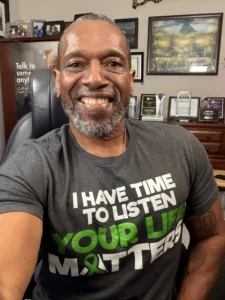
Vic, si alguien que lee este artículo está luchando en este momento, o quizás contemplando quitarse la vida, ¿qué le quieres decir?
Tu vida importa, tu dolor importa y no estás solo.
Independientemente de lo que estés pensando ahora o de cómo te sientas ahora —y es posible que sientas que no tienes una salida—, tú importas.
Hay ayuda disponible si usted o alguien que conoce está pasando por dificultades. Puede marcar el 988 y hablar con un consejero capacitado que lo puede conectar con la ayuda, los servicios y el apoyo que necesita.
Lo más importante es que entiendas que no estás solo. Se supone que debes estar aquí. Queremos que estés aquí mañana y todos los días siguientes.
Cuando hablas sobre el suicidio y compartes mensajes de concientización y prevención del suicidio, ¿cuáles son los hilos conductores que más deseas que la gente comprenda?
Creo que cuando las personas llegan al punto de tener pensamientos suicidas, han perdido la esperanza y la conexión social. En mis mensajes, intento infundir esas dos cosas.
Quiero que la gente encuentre esperanza dentro de sí misma. Pienso que un problema es que a menudo intentamos animar a la gente a buscar la esperanza fuera de sí misma.
Por eso, animo a la gente a mirar dentro de sí misma, y trato de recordarles: Ustedes son suficientes. Importan. Hay esperanza dentro de ustedes, y a veces tienen que estar dispuestos a buscar en su interior para encontrar esa esperanza.
Junto con eso, también existe la necesidad de conexión social, porque somos seres sociales.
Para las personas que están luchando mental o emocionalmente, las animo a que se acerquen a otras personas para conectar.
¿Cómo es la esperanza en el peor día de alguien?
En el peor día de una persona, la esperanza es ser capaz de verse a sí mismo al otro lado del dolor.
Tal vez no sepas cómo vas a salir de esta ahora mismo. Es posible que sientas que no sabes en qué dirección ir.
Pero la esperanza es ver más allá de eso lo suficiente como para reconocer y creer que puedes estar aquí mañana y al día siguiente. Puedes tomar la decisión de creer que la vida puede y va a mejorar.
Creo que es más o menos todo lo que podemos pedir cuando una persona está viviendo su peor día.
A veces es difícil para quienes están fuera del dolor comprender realmente cómo una persona puede llegar a ese punto de cuestionarse si quiere estar aquí o no, especialmente si no han experimentado algo así. Cuando se combina eso con otros aspectos de las experiencias vividas por las personas que tal vez uno no comprenda —ya sea la orientación sexual, la identidad de género o una experiencia traumática—, a menudo resulta difícil para alguien ajeno a la situación comprender realmente el dolor por el que está pasando otra persona.
Pero no tienes que comprender el dolor de una persona para reconocer que su dolor es real y para relacionarte con ella de una manera que ayude a aliviar su dolor.
Sepa que tiene el poder de intervenir y ayudar a alguien que pueda estar pasando por dificultades.
¿Cuáles son las cosas más eficaces que todos podemos hacer para reducir la suicidalidad?
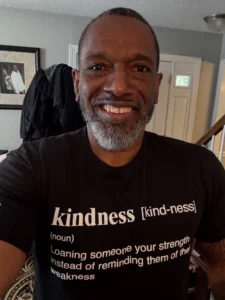
Lo primero que le digo a la gente es que la amabilidad humana es prevención del suicidio.
El hecho es que las personas que experimentan pensamientos suicidas a menudo han perdido la esperanza y un sentimiento de conexión. Uno no sabe cuándo una palabra amable o una sonrisa puede ser algo que alguien necesite escuchar o ver, simplemente para ayudarle a sentirse conectado nuevamente con la humanidad.
Por eso, esa es una de las cosas que intento enfatizar: Tratar a las personas con decencia y respeto puede ser un elemento disuasorio del suicidio.
Más allá de eso, sabemos que existen ciertos factores de riesgo y factores protectores. Algunas personas pueden tener antecedentes de trauma. Pueden estar experimentando una pérdida repentina o atravesando una situación que les cambia la vida. Las personas pueden tener desequilibrios químicos que están afectando su estado mental. Estas cosas a veces pueden poner a las personas en mayor riesgo de suicidio.
Pero no hay una sola causa para el suicidio. El suicidio es muy dinámico.
Las cosas que son sistemáticamente eficaces para combatir el suicidio se reducen a la conexión: permitir a alguien el espacio para poder abrirse y hablar de lo que siente.
Si una persona parece estar pasando por dificultades, apártala, habla con ella en privado y escucha. Dale un espacio seguro para hablar de lo que siente.
No te corresponde cuestionar lo que dicen o sienten ni intentar arreglarlos. No los juzgues.
Luego, intenta siempre orientar a la persona hacia la esperanza. Intenta conectarla con ayuda y apoyo.
Poder desahogarse y hablar sobre lo que sienten a menudo puede ayudar a una persona a procesar las cosas por sí misma y llegar a un punto en el que empiece a sentirse más segura.
Eso es muy útil: los familiares, amigos y otros seres queridos a menudo no están seguros de qué hacer para apoyar a alguien que está pasando por dificultades o parece estar en riesgo. ¿Hay algún otro consejo que quieras darles? Además, ¿qué cosas deberían hacer para el autocuidado?
Si tienes un familiar o un ser querido que está pasando por dificultades mentales o emocionales, pregúntale cómo puedes apoyarlo y luego escucha. Es probable que muchas personas que luchan contra problemas de salud mental, incluidas aquellas que luchan contra la suicidalidad, ya hayan recibido muchos consejos de otras personas sobre lo que deberían hacer.
Pero probablemente no hayan tenido a muchos familiares o amigos que simplemente les pregunten: “¿Cómo puedo apoyarte?”. Eso es lo primero que aconsejo hacer a la gente. Para mí, eso es extremadamente importante.
Luego, para los familiares y cuidadores, ¿quién está ahí solo para tú¿Quién puede escuchar tus desafíos y pensamientos y ayudarte en los momentos difíciles?
Una de las cosas que hago para mi propio autocuidado es levantarme temprano y hacer ejercicio todos los días. Encuentra lo que funcione para ti —algo que te ayude a cuidarte mental, física, espiritual y emocionalmente— y sé egoísta al respecto sin pedir disculpas.
Como cuidador o como profesional de la salud mental, también es útil tomarse unos minutos durante el día para pausas de salud mental y atención plena (mindfulness): salir al aire libre y simplemente tomarse un tiempo para estar en silencio y reflexionar. Si hay cosas que parecen persistir y ser difíciles de superar, intenta descomponerlas.
No tengas miedo de pedir ayuda si la necesitas. Nunca sufras en silencio. Parte de tu cuidado personal debe ser encontrar a alguien con quien puedas hablar.
Está bien hablar con un terapeuta si estás pasando por un momento difícil. La mayoría de los terapeutas que conozco tienen terapeutas. Puede ser una parte muy valiosa del cuidado personal.
¿Cómo es realmente la recuperación de los pensamientos suicidas?
Una realidad es que no necesariamente se puede llevar a una persona de tener pensamientos suicidas a no tenerlos con una sola conversación o encuentro. Puede tomar semanas, meses o incluso años para que una persona se aleje por completo de tener pensamientos suicidas.
Pero puedes salvar una vida en una sola conversación. De nuevo, se trata de cómo estableces una conexión con esa persona en el momento para que pueda superar ese momento de crisis.
La recuperación de los pensamientos suicidas puede ser diferente para cada persona. Conozco a personas que, en su recuperación, han tomado su dolor y lo han convertido en una misión para salvar vidas y ayudar a otras personas. Conozco a otras personas para quienes la recuperación ha significado simplemente encontrar gratitud por estar aquí.
Quiero ser claro: No estamos hablando necesariamente siempre de la recuperación de la ideación suicida. Los pensamientos suicidas pueden seguir estando ahí contigo, pero puedes llegar a un punto con el tratamiento y la terapia en el que esos pensamientos no te afecten.
Tengo un buen amigo que sabe que tendrá pensamientos suicidas. Es parte de su ser. Pero parte de su recuperación ha sido conocer a personas en su vida con quienes puede hablar cuando siente que está pasando por un mal momento.
Por lo tanto, la recuperación puede ser diferente para cada persona, pero realmente significa que estás en un lugar donde tus pensamientos y sentimientos suicidas ya no controlan tu vida.
Reconoces que los pensamientos suicidas son algo que podría volver a ocurrir, pero como parte de tu recuperación has descubierto cuáles son tus desencadenantes. Entiendes lo que debes hacer cuando tienes esos pensamientos y sentimientos. Sabes cómo pedir ayuda. Tienes los recursos necesarios preparados.
Lo más importante es que has tomado una determinación y has dado los pasos para estar aquí. Creo que esa es la parte más importante de la recuperación: saber que, pase lo que pase, tienes la intención de estar aquí.
Eso es impactante; gracias, Vic. ¿Cómo se relaciona el trabajo en la prevención del suicidio con el fortalecimiento de nuestra gama de servicios de salud mental en un sentido más amplio y con la reducción del estigma, tanto para la población general como en comunidades específicas?
Esa es una pregunta importante, porque realmente veo la prevención del suicidio como un trabajo preventivo. Cuando vas más río arriba, intentas llegar a las personas donde viven, trabajan, juegan y rinden culto. Intentas darles acceso a recursos de salud mental en esos espacios.
En el trabajo de prevención del suicidio, si se hace correctamente, intentas llegar a una persona antes de que alcance el punto de ideación suicida. En mi trabajo, eso se traduce en ir a las comunidades y construir relaciones. Al comprender el estigma que existe en las comunidades, podemos entonces crear recursos y construir programas que puedan combatirlo.
Cuando entramos en diferentes comunidades, el estigma se ve diferente.
Crecí en Plymouth, un pueblo pequeño en el noreste rural de Carolina del Norte. La población de mi pueblo natal es de unas 3.300 personas. También era hijo de un pastor. Al crecer, recibí tres mensajes sobre cómo el suicidio impactaba en mí y en mi comunidad.
El mensaje de mi comunidad negra fue que el suicidio es un problema de blancos. Ya sabes, nosotros no lidiamos con el suicidio. Somos un pueblo resiliente. Somos fuertes. El suicidio no es algo por lo que debamos preocuparnos ni de lo que debamos hablar.
Mi comunidad religiosa me dijo que si estás experimentando pensamientos suicidas, ansiedad o depresión, solo necesitas más fe. Necesitas rezar más. Necesitas un caminar más cercano con Jesús, pero no necesitas terapia.
Cuando hago presentaciones, a veces bromeo diciendo que cuando era niño solíamos cantar una canción en la iglesia llamada “Jesús en la línea principal, dile lo que quieres”. No cantábamos “Terapeuta en la línea directa, dile lo que quieres”.”
Luego, además, al ser parte de una comunidad rural, existía esta mentalidad de que se supone que deben ser personas fuertes, así que hay que salir adelante. No nos rendimos ante los problemas de salud mental.
Entonces, esas tres cosas me estaban diciendo que si sentía ansiedad, depresión o pensamientos suicidas, estaba haciendo algo mal.
Para mí, parte de cómo combatimos el suicidio es entender el pensamiento que está arraigado en muchas comunidades. Comprometámonos realmente con las comunidades e intentemos comprender cómo piensa la gente realmente sobre la salud mental y el suicidio.
El estigma es simplemente una narrativa que una comunidad forma sobre cualquier situación que sea. A menudo, el estigma está diseñado para etiquetar o hacer daño. Por lo tanto, se han formado narrativas en torno a la salud mental y el suicidio en la comunidad negra, la comunidad asiática y la comunidad hispana.
Un ejemplo de participación comunitaria en salud mental es el programa Soul Shop para Iglesias Negras, que trata sobre la prevención del suicidio, el bienestar de la salud mental y la conversión de las iglesias en lugares de conexión y esperanza. Las investigaciones muestran que las personas de la comunidad negra son más propensas a acudir a un líder religioso que a un psiquiatra o psicólogo. Eso es parte de lo que está entretejido en parte del estigma en la comunidad negra: que no acudimos a instituciones, psiquiatras o psicólogos.
Pero el líder religioso siempre ha sido parte de nuestra cultura. Por lo tanto, parte de la forma en que abordamos la salud mental y el suicidio es interactuando con la comunidad religiosa, tomando los recursos basados en evidencia que tenemos y encontrando formas de integrarlos en los lugares y recursos con los que la comunidad está familiarizada.
Si podemos hacer eso, podemos abordar el estigma en su raíz. Parte de la razón por la que existe el estigma sobre la salud mental es porque se le permitió formarse en el vacío. En mi ciudad natal, cuando crecía, nunca conocí a un psiquiatra o psicólogo, pero teníamos una iglesia en cada esquina. La fe estaba entretejida en nuestro estilo de vida, nuestra historia y nuestras tradiciones. Así que ahí era a donde íbamos cuando experimentábamos dificultades. El problema es que la iglesia —la organización basada en la fe— no estaba equipada para lidiar con las creencias de la gente sobre la salud mental y el suicidio.
Por lo tanto, tenemos que pensar de manera diferente al trabajar con las comunidades y ajustar y adaptar cómo es la prevención del suicidio en las comunidades de maneras que sean culturalmente relevantes. Debe estar relacionado con la experiencia vivida de la comunidad. Las personas necesitan verse a sí mismas en los recursos que ofrecemos para la prevención del suicidio y la salud mental.
Lo más importante es que necesitamos recursos que la gente esté dispuesta a utilizar. Si te doy recursos que no estás dispuesto a utilizar, no te he dado acceso a lo que necesitas.
Si tenemos culturas dentro de nuestra sociedad y nuestras comunidades que se están quedando atrás, realmente no estamos haciendo lo que se supone que debemos hacer.
¿Cuáles son algunas de las mayores necesidades de equidad en el trabajo de prevención del suicidio en este momento?
Uno de los grupos demográficos con mayor crecimiento en las tasas de suicidio es el de los jóvenes varones negros. Estamos viendo aumentos en la comunidad AAPI (estadounidenses de origen asiático y de las islas del Pacífico). Estamos viendo aumentos en nuestra comunidad indígena.
También estamos presenciando un aumento en la suicidalidad entre las mujeres negras mayores, algo sobre lo cual estamos intentando aprender más.
Siempre hemos tenido un enfoque único para todos en la prevención del suicidio. No les hemos puesto fácil a las personas verse reflejadas en el trabajo. Si bien estamos viendo un aumento en las tasas de suicidio en las comunidades negras y marrones, ahora también estamos empezando a ver más empresas emergentes en comunidades negras y marrones para abordar el suicidio.
Queremos asegurarnos de que estos recursos estén basados en la evidencia y sean eficaces. No queremos recursos envueltos en estigma. Queremos asegurarnos de que los recursos que la gente recibe realmente les vayan a ser útiles.
Una cosa que hay que recordar es que las organizaciones compiten por los mismos fondos. Por lo tanto, nos conviene pensar en cómo vamos a asociarnos en las comunidades.
Cuando comencé a hacer trabajo de prevención del suicidio para la comunidad AAPI, encontré a alguien que ya estaba trabajando sobre el terreno —que ya había generado cierto impulso y credibilidad— y luego me puse a su lado y le dije: “Guíame y déjame apoyarte en este trabajo”.”
Así es como debemos acercarnos a las comunidades. Busquemos lo que ya pueda estar funcionando y construyamos relaciones.
En salud mental, somos muy transaccionales. Yo te doy un diagnóstico y tú puedes recibir un cierto nivel de servicios. Si te proporciono este servicio, puedo obtener mi financiamiento.
Pero muchas de nuestras comunidades son más relacionales que transaccionales. Valoran las relaciones. Si no estamos dispuestos a entrar y construir las relaciones, va a ser muy difícil llegar a la gente.
Además, muchas de estas comunidades, incluidas las comunidades negras y marrones, han tenido interacciones negativas con sistemas e instituciones. Para generar confianza y comenzar a abordar sus necesidades y desafíos de salud mental, tenemos que estar dispuestos a reconocer que, de muchas maneras, les hemos estado fallando.
Cuando crecía en mi comunidad y formaba esta narrativa sobre cómo la salud mental y el suicidio no debían ser problemas para nosotros, no había organizaciones que dijeran: “No, esto realmente se trata de ti también. Nos importas”.”
¿Qué más puede ayudar a darle la vuelta a eso, Vic, y hacer que nuestro enfoque de la salud mental sea más equitativo?
Fundamental para el trabajo de equidad en salud es el reconocimiento de que el sistema es intrínsecamente inequitativo. Si no partimos de ese marco, no lo vamos a hacer bien. Por lo tanto, lo primero que tiene que cambiar es nuestra mentalidad. Debemos reconocer que el sistema no está construido actualmente para apoyar a las comunidades marginadas.
Con cada decisión de política que tomamos y cada recurso que creamos, o bien nos estamos inclinando hacia la equidad —y asegurándonos de que la equidad en salud esté en el centro de todo lo que hacemos—, o bien estamos perpetuando la inequidad.
También tenemos que seguir mejorando en la adopción, utilización e incorporación de la experiencia vivida en nuestro trabajo. Las personas que lo han vivido y experimentado son quienes pueden guiarnos para servir mejor a sus comunidades. El trabajo de equidad en salud tiene que estar dispuesto a aceptar la interseccionalidad que las personas aportan e incorporarla a lo que hacemos.
A menudo pensamos en la equidad solo en términos de raza y origen étnico, pero la equidad en salud significa mucho más que eso. Se trata realmente de garantizar que cada persona individual tenga la capacidad de alcanzar su máximo nivel de salud —de vivir su mejor vida— independientemente de su raza, origen étnico, geografía, identidad y experiencia de vida.
Por lo tanto, tenemos que ampliar nuestras definiciones y nuestra ambición. Por ejemplo, en mi trabajo sobre equidad en salud en la Fundación Estadounidense para la Prevención del Suicidio, también me centro en industrias y comunidades profesionales que afectan desproporcionadamente al bienestar mental. Tenemos toda una línea de trabajo que realizamos con la industria de la construcción (un programa llamado Coraje de casco duro), porque tienen tasas de suicidio desproporcionadamente altas. Lo mismo se aplica a veteranos. Tenemos que asegurarnos de que nuestras comunidades rurales tengan acceso a los mismos recursos que tienen las comunidades urbanas. Tenemos que asegurarnos de que las personas en comunidades LGBTQ son compatibles.
Una de las cosas fundamentales para mí —y tal vez sea más bien un valor para mí— es que tenemos que superar esta mentalidad de que preferimos que alguien sufra y no obtenga lo que necesita a que otra persona obtenga algo que no se merece. Eso nos está perjudicando mucho al abordar la equidad. Cuando lo escucho, suena poco estadounidense y anticristiano, así que no estoy seguro de dónde viene esta mentalidad.
Pero muchas organizaciones que abordaban cuestiones de equidad en la salud se encuentran en una situación diferente ahora. Fluctúa y refluye, y hoy en día se ha convertido realmente en un tema más tabú.
Tenemos que ser coherentes con el trabajo de equidad en salud para que la gente confíe en nosotros.
Una de las cosas que recomiendo que hagan las organizaciones es ser intencionales con respecto a la equidad en salud, ser visiblemente intencionales al respecto. Díganles a las comunidades a las que sirven —ya sea la comunidad LGBTQ, la comunidad indígena, la comunidad AAPI— que los vemos, los escuchamos y nos importan.
Necesitamos elevar la equidad en la prevención del suicidio y la labor de salud mental, y ellos necesitan verlo. Hasta que eso ocurra, vamos a seguir perdiendo personas, porque no nos van a ver como inclusivos.
Si no nos ven como inclusivos, entonces no van a utilizar nuestros recursos. Tienen que saber que estamos aquí no solo para ayudar a otras comunidades. Tienen que saber que estamos aquí para ellos.
Hablando como una persona de color, creo que una de las cosas que ha sido dañina en la salud mental y otras áreas es la inconsistencia. Es ese empezar y parar. Cuando voy a las comunidades, mucho de lo que escucho es: “Estarás aquí hoy, pero te habrás ido mañana”. Así que esa consistencia de presentarse y hablar en serio es muy importante.
Las personas que están sufriendo toman la decisión sobre con quién es seguro hablar y en quién es seguro confiar.
Si pudiera desmentir un mito o malentendido sobre el suicidio, ¿cuál sería?
El único mito que me gustaría desmentir es que si le preguntas a alguien si está experimentando pensamientos suicidas, vas a hacer que sea suicida.
Una persona es suicida o no lo es. No vuelves a alguien suicida preguntándole si está pensando en el suicidio. Sin embargo, al preguntarle, podrías darle espacio para hablar sobre lo que siente y ayudar a que la persona se sienta apoyada y conectada.
Así que no tengas miedo de hacer la pregunta, incluso si eso significa que una persona pueda molestarse porque la hagas. Preferiría mucho más que se molesten conmigo a que terminen perdiendo la vida.
¿Qué estamos haciendo bien en la prevención del suicidio en Carolina del Norte y a nivel nacional? ¿Qué está funcionando y qué podemos hacer mejor?
Uno de los mayores avances en la prevención del suicidio, en la salud mental en general y en las adicciones ha sido el 988. Eso ha sido enorme. Carolina del Norte ha hecho un buen trabajo promoviendo el 988, pero todavía queda trabajo por hacer en cuanto a cómo socializamos a las comunidades sobre qué es el 988 y cómo utilizarlo.
Creo que estamos haciendo un mejor trabajo, tanto a nivel nacional como en Carolina del Norte, al menos reconociendo que la salud mental y el suicidio son reales e importantes, y animando a la gente a hablar de ello. Cada vez más, se anima a la gente a abrirse. Eso es muy positivo.
Creo que tenemos que hacer un mejor trabajo combinando lo basado en la evidencia y lo basado en la comunidad. Soy partidario de las prácticas basadas en la evidencia, pero también tenemos que reconocer que hay muy pocas prácticas basadas en la evidencia que se basen en pruebas para personas que se parecen a mí.
Por lo tanto, para las personas de la comunidad afroamericana o la comunidad hispana, por dar dos ejemplos, tenemos que hacer un mejor trabajo para entender cómo podemos tomar esas prácticas basadas en la evidencia y combinarlas con prácticas basadas en la comunidad, de modo que podamos crear algo que tenga mayor relevancia cultural.
También creo que tenemos que redefinir la fuerza laboral. No podemos producir psiquiatras con la rapidez suficiente. Y la forma en que definimos actualmente nuestra fuerza laboral de salud mental y de crisis no refleja necesariamente lo que ocurre en muchas comunidades.
En muchas de nuestras comunidades, la persona a la que acuden primero, que se convierte en su primer socorrista, no va a ser un consejero de crisis. Acudirán a un líder religioso, a un entrenador o a un centro comunitario.
Por lo tanto, tenemos cómo pensar de manera diferente sobre cómo es la fuerza laboral y cómo es el continuo de crisis, porque las personas en estas comunidades a menudo entran al continuo de crisis en un lugar diferente, no en el hospital o en el departamento de emergencias o llamando al 988. Su primer respondedor en caso de crisis podría ser su abuela.
Históricamente, hemos creado un sistema y hemos invitado a la gente a encontrar su camino hacia él. Pero no hemos hecho un muy buen trabajo al diseñar un sistema que responda directamente a las necesidades de estas comunidades minoritarias a las que intentamos servir. Hay muchas comunidades que están haciendo cosas increíbles y abordando necesidades. Debemos hacer un mejor trabajo aprendiendo de ellas.
Gracias, Vic. ¿Hay algo más que quieras compartir?
A título personal, tengo dos hijos adolescentes de 14 y 12 años. Quiero que su experiencia con su salud mental sea muy diferente a la mía.
Quiero que sepan que está bien no estar bien. Quiero que sepan que si están pasando por dificultades o dolor, pueden hablar conmigo al respecto, y todo va a estar bien. Quiero que sepan que está bien llorar, estar tristes y sentirse vulnerables. Eso no los hace menos hombres.
Creo que se ha hecho mucho daño a los hombres y a su salud mental al imponerles falsas expectativas.
Lo otro es que soy una persona que vive con trastorno por déficit de atención e hiperactividad, o TDAH. Fui diagnosticado de adulto. De niño, programé muchas cosas en mi cerebro para ayudarme a lidiar con mi TDAH y encontrar formas de lidiar con él. De adulto he tenido que desaprender algunas de esas cosas.
No quiero ver a los jóvenes, especialmente a los jóvenes de color, sentir que tienen que adaptarse a la corriente principal porque sienten que hay algo mal en ustedes, como si tuvieran que cambiar para encajar.
Quiero que los jóvenes sepan que está bien ser diferente. Está bien pensar diferente. Está bien ser neurodivergente. Porque cuando aprendes a sentirte mal contigo mismo —cuando te enseñan a sentirte así— eso puede salirse de control y convertirse en problemas de salud mental.
Hay muchas personas en este momento que sienten que su identidad ha sido desafiada o está siendo borrada. Trato de decirle a la gente que todos importan, y mencionaré intencionalmente a comunidades específicas —la comunidad LGBTQ, la comunidad asiacoamericana o la comunidad negra— para decirles específicamente: ustedes importan.
No importa lo que diga cualquiera, tú importas. Es importante hacerle saber a la gente —y especialmente a los jóvenes— que están bien y que son importantes, tal como son. Reconozcamos y respetemos a la persona que tenemos en frente y aseguremos de conectar a esa persona con la esperanza.