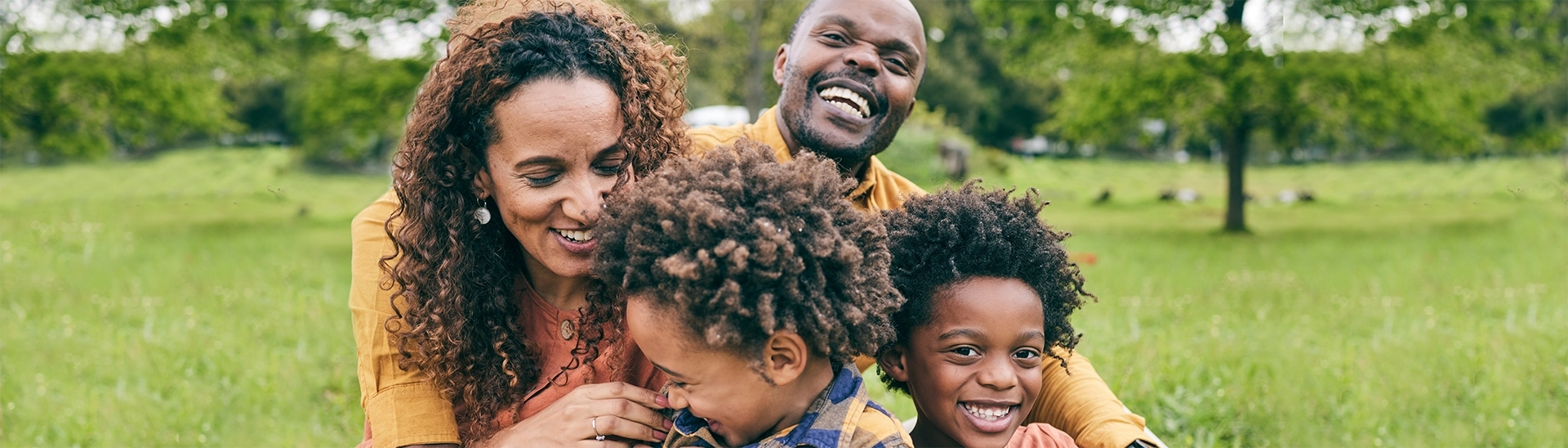
Healthy communities start with healthy people. When people can stay well, children can focus on learning, adults can care for their families, older adults can remain active and independent, and neighbors can contribute to the places they call home. People and communities thrive when they have the tools and resources they need to live healthy lives.
One of those tools is immunization.
People often talk about immunization and vaccines in terms of preventing illness. While prevention matters, immunization does more than help protect against disease. It helps strengthen our body’s natural defenses so we can continue doing the things that matter most. Healthy immune systems support healthy people, and healthy people help create healthier schools, workplaces, neighborhoods, and communities.
When we view immunization as a way to promote health and wellbeing, we can more clearly see the connection between individual health and community health.
Your Immune System: Your Body’s Built-In Defense Team
Every day, your immune system works behind the scenes to help keep you healthy. Long before you notice symptoms of a cold, the flu, or another illness, your immune system begins identifying unfamiliar germs and determining how to respond.
Think of your immune system as your body’s highly trained security team. It constantly patrols for anything that doesn’t belong, identifies potential threats, and responds when needed. Even while you sleep, exercise, work, or spend time with your family, your immune system quietly protects your health.
Like any sophisticated system, your immune system performs best when it has current information.
Immunization: A Software Update for Your Immune System
Think about your smartphone or tablet. From time to time, it receives software updates that improve performance, strengthen security, fix vulnerabilities, and prepare it to handle new challenges. The device itself doesn’t become something different; it simply becomes better equipped to do the job it was designed to do.
Immunization works in a similar way.
Rather than replacing your immune system or doing its job for it, immunization gives your immune system an opportunity to learn. It introduces your body’s natural defenses to information about a virus or bacteria in a way that helps the immune system recognize it and prepare a response before you encounter the actual disease.
Your immune system does the work. Immunization provides the update.
Because your immune system has learned what to look for, it can often respond more quickly and effectively when it encounters that germ in the future. Just as regular software updates help technology perform at its best, recommended vaccines help keep your immune system prepared for new challenges throughout life.
Our immune systems change as we age, and new diseases can emerge. That’s one reason recommended vaccines vary across different stages of life. Infants, children, adolescents, adults, and older adults can all benefit from updates that help their immune systems respond to the health risks most relevant to them.
Individual Health Builds Community Health
Healthy communities involve more than a collection of healthy individuals. They give people opportunities to support one another and thrive together.
When more people have immune systems that are prepared, the benefits extend well beyond any one person.
Children can spend more time in school learning and growing instead of recovering from preventable illnesses. Parents may miss less work while caring for sick family members. Older adults can stay engaged in community life. Healthcare providers can devote more time and resources to people who need care for unexpected illnesses, injuries, or chronic conditions.
Prepared communities can also respond more effectively to challenges. Schools can experience fewer disruptions. Businesses can better maintain their workforces. Community events, volunteer organizations, and places of worship can continue bringing people together.
Immunization supports the health of the entire community because healthier people strengthen every part of community life.
Challenges That Make Healthy Communities Harder to Build
While immunization offers important benefits, not everyone has the same opportunity to receive recommended immunizations or access trusted health information.
Communities face real challenges that can make staying healthy more difficult. Unsupported claims, false ideas about immunization, barriers to healthcare, and unequal access to trusted health information can make it harder for people to make informed decisions. When people delay or miss recommended vaccines because they cannot access care or don’t know which information to trust, preventable diseases have more opportunities to spread. These challenges affect individuals as well as families, schools, workplaces, and neighborhoods.
For some families, transportation, work schedules, childcare responsibilities, or limited appointment availability can make healthcare difficult to access. Others may have questions about recommended immunizations but feel unsure about where to find reliable answers.
These challenges are not personal failures. They are community challenges that we can solve together.
When people have convenient access to healthcare, opportunities to ask questions, and information they can trust, they have more tools to make informed decisions about their health.
Building Stronger Communities Together
Creating healthier communities requires more than individual action. It takes partnerships.
Healthcare providers, public health agencies, schools, employers, community organizations, faith leaders, and families all have important roles to play in promoting health and wellbeing.
Healthcare professionals help people understand recommended vaccinations and answer questions with compassion and respect. Public health organizations make immunization services more accessible through community clinics, pharmacies, schools, and healthcare practices. Community organizations connect people with resources that can reduce barriers to care.
Families also play an important role. They can talk openly about health, keep track of recommended immunizations, and seek information from trusted healthcare professionals.
When every part of the community works together, everyone has a better opportunity to access the care they need.
Investing in Healthy Futures
Every recommended immunization represents an investment in your immune system’s ability to do what it was designed to do.
Just as we routinely update our phones, computers, and other technology to keep them performing at their best, staying up to date with recommended vaccines helps keep our immune systems ready for future challenges. The update helps the system perform better, and over time, those individual updates can contribute to better health across families, schools, workplaces, and communities.
Healthy communities don’t happen by accident. We build them through everyday decisions that promote wellbeing and create opportunities for people to thrive.
Immunization is one of those decisions. It helps strengthen the remarkable immune systems we already have, supports healthier lives at every stage, and contributes to communities where children can learn, adults can work and care for their families, older adults can remain active, and neighbors can continue supporting one another.
When we keep our immune systems up to date, we’re investing in healthier futures for ourselves, our families, and our communities. Together, those individual investments help build communities where everyone can live, grow, and thrive.